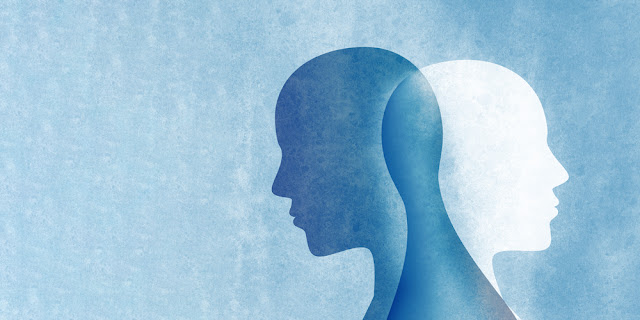
Bipolar disorder, sometimes
referred to as manic-depression, is a genetically-based psychiatric disorder,
which involves poorly regulated changes in brain chemistry resulting in extreme
mood swings. With a proper diagnosis and treatment plan (usually a combination
of mood-stabilizing medication and therapy), a person with bipolar can have a
long, happy and successful life.
Signs of Bipolar Disorder
Include episodes of
mania or hypomania, which can involve euphoric and expansive mood; or dysphonic
mood, which is marked by high levels of irritability and agitation. These
episodes also typically include grandiose self-image, decreased need of sleep,
rapid thoughts, pressured speech, distractibility, increased energy and
creative desires, and severe impulsivity that lead to high-risk behaviours.
Mania lasts at least seven
days in a row, and can lead to severe consequences to health, finances and
relationships. Hypomania has the same symptoms, but usually of shorter duration
at least four days and often with fewer consequences per episode.
In bipolar depressive
episodes, the mood can become severely reduced, dark, and demoralizing. Often
in this mood zone, a person becomes very sad, restless, low on energy,
hopeless, and even suicidal. While manic or hypomanic, a person can feel
terrific, charged with energy and a sense of great creativity, and a strong
desire to get several things done at once. However, bipolar depression will
make the same person lose energy and interest in anything important or
pleasurable, potentially causing a severe crash in his or her emotional or
physical well-being.
Types of Bipolar Disorder
There are three basic types of bipolar disorder,
known as bipolar I disorder, bipolar II disorder, and cyclothymic disorder,
which some people casually refer to as bipolar III. The distinction among these
three types is important when it comes to understanding the overall course of
the disorder and the various treatments that can be used.
Bipolar
I Disorder
All that is needed to be diagnosed with
bipolar I disorder is a history of at least one manic episode in the person’s
lifetime. While depression is common in bipolar I disorder, it is not
necessary for the diagnosis. A person with bipolar I may have had hypomanic
episodes, but a single manic episode forever defines this type of the disorder.
When psychotic features of hallucinations,
such as hearing voices that are not actually present, or delusional thinking
are evident in bipolar disorder, only the bipolar I diagnosis applies. The
seven-day minimum of a manic episode helps define the diagnosis, unless
treatment interrupts the episode, as we would see in a psychiatric
hospitalization.
People in a manic episode can
become very excited, flush with energy and extravagance. They can exhibit rapid
thoughts and become accelerated in their speech making it difficult to
interrupt them. They also purposely avoid sleep due to the increased energy and
need to get many things completed. They often engage in high-risk behaviours,
such as spending sprees, sexual indiscretions, alcohol or drug binges, driving
too fast, etc.
Not only can these behaviours
lead to financial and relationship problems, but legal troubles may also
eventually result. In any case, people with bipolar I disorder will often deny
the consequences of mania, or justify the need to protect their manic behaviour
as a means to maintain creative output in their lives, despite the extensive
threat bipolar I can have on their overall health and functioning.
When manic, a person with
bipolar I can be mistaken as having another disorder, such as ADHD, OCD, panic
disorder, or narcissistic personality disorder. If they have psychotic
symptoms, they can be thought of as having schizophrenia. But the intense change in mood drives all the
symptoms of this particular psychiatric disorder. When mania subsides, they
often return to a more typical, or baseline, mood zone. The confusion now is
about whether or not they have any psychiatric disorder at all.
Causes of Bipolar Disorder
The genetic factor is the strongest and most
consistent one in the development of bipolar disorder. In
other words, bipolar runs in families and is passed through family genes. What
is coded in the person’s DNA essentially sets the foundation for the brain’s
inability to regulate moods consistently. A person generally must have this
genetic predisposition for the true bipolar symptom pattern to eventually
emerge during the lifespan.
Catalytic factors can bring out those
symptoms. Some common catalysts involve hormonal changes, such as in puberty or
in women during or after childbirth, known as per partum bipolar onset. Drug
and alcohol abuse or certain medical disorders can also trigger underlying
bipolar symptoms.
Traumatic experiences can trigger bipolar
symptoms as well, but it’s important to know that trauma alone does not
completely cause bipolar disorder. The average age of onset is late adolescence
to early adulthood, though accurate recognition and diagnosis may not occur
until several years into adult life.
Is It Bipolar Disorder or Depression?
An important study showed about two-thirds of
bipolar patients are misdiagnosed and treated as having other psychiatric
disorders, while those patients had consulted a mean average of nearly 4
clinicians before receiving appropriate care.2 Among
people with bipolar who are misidentified, a significant majority are given a
diagnosis of major depression.
Most people with a major depressive disorder
unrelated to bipolar disorder (typically known as non-bipolar depression or unipolar
depression) can be treated safely and effectively with psychotherapy along with
antidepressant medication, if needed. But when people with undetected bipolar
are treated this way, a host of mental health problems can occur, making the
underlying bipolar condition much worse.
It’s understandable that someone may not
immediately be given the bipolar diagnosis if their first mood swing begins in
a depression mood zone. This seems particularly true of people who have bipolar
II disorder. And sometimes, there may be more than one depressive episode
before a manic or hypomanic episode happens in a person with bipolar.
Bipolar vs. Other Disorders
While sometimes a history of manic symptoms
is not presented right away, it’s also common for those symptoms to be confused
with other mental health conditions, such as ADHD, OCD, borderline or
narcissistic personality disorders, or schizophrenia. One typical variable that
helps clinicians distinguish bipolar mania from anything else is the
intermittent nature of bipolar mood swings.
For example, a person with schizophrenia may
neither be depressed or energetic to experience hallucinations or delusional
thinking. Another example is ADHD. While distractibility is common in both
bipolar mania and ADHD, the ability to focus tends to improve in bipolar when
the mania subsides.
It’s generally true that symptoms of
disorders other than bipolar will be present no matter the mood state. Knowing
these important differences between bipolar disorder and other mental health
conditions helps reduce the time it takes for people with bipolar to get to the
right treatment plan.
Diagnosing Bipolar Disorder
If you’re wondering about whether you may
have depression or the beginning of bipolar, there are some keys to keep in
mind when seeking treatment.
First of all, when assessing if your
depression is a part of bipolar, know that bipolar disorder has distinct
genetic foundations. So if you suspect that any family members may have had
bipolar disorder, it’s important to inform your doctor or therapist when entering
treatment. If the information is available, a thorough family mental health
history can really support a proper bipolar diagnosis.
Next, your personal history of mood swings
should be explored. If you’ve had severe ups and downs during childhood or
adolescence, these may be more than the common tumult of growing up. They may
instead be early expressions of bipolar disorder. It’s especially important to
review periods of hyperactivity, bouts of unexplained rage, self-harm, or
suicidal thoughts or actions that could have occurred at any time in life.
There certainly may be other explanations for
these, such as early life trauma or severe loss and grief experienced during
these formative years. But if explosive behaviours or deep depression occurred
at different times, especially with little or no provocation, it can point to
underlying bipolar disorder.
Usually, most people with bipolar who seek
treatment on their own are currently or recently depressed, or are experiencing
consequences of untreated bipolar disorder. Any history of mania or hypomania
is less obvious, however. And often, bipolar patients will either not
understand manic symptoms or will avoid discussion about them.
Treatments for Bipolar Disorder
Once bipolar disorder is properly diagnosed,
a treatment plan can be accurately developed. This is best achieved
in collaboration with the patient, any available and trusted family member,
prescribing physician (such as a psychiatrist or psychiatric nurse
practitioner), and psychotherapist (unless the physician is also providing
psychotherapy).
The standard bipolar treatment plan involves
both mood stabilizing medication and psychotherapy, whether it is provided
to the individual, a couple, the family as a whole, or any appropriate
combination.
Medication
Medications for bipolar disorder
typically involve mood stabilizers, such as lithium or certain anti-seizure
drugs, or antipsychotic medications, or some combination of those drugs. Other
medications such as antidepressants and anti-anxiety drugs may also be used
along with mood stabilizers. It’s not unusual for the prescribing doctor to add
or subtract medications, or increase or decrease dosages to get the right
levels of any particular individual.
Achieving mood stabilization with medication
can take time and some trials of different combinations to meet an individual’s
particular need. Therefore, patience is itself an important bipolar treatment
issue. People often have several concerns around medications, including side
effects and possible consequences of long-term use. Knowing that bipolar
disorder can severely damage a person’s life, including their physical and
mental health, a thorough discussion of these concerns should be explored with
the treatment team.
Therapy
As for therapy, it’s important
to find a professional who is familiar with bipolar and the various factors
unique to the disorder. It’s necessary to be involved in therapy through all
phases of bipolar treatment, from assessment in pre-stabilization, through
stabilization with medication, to post-stabilization as the person with bipolar
becomes more familiar with life away from the former consequences of the
disorder.
Some typical therapy issues
include working through denial and accepting the reality of bipolar in a
person’s life. There are often fears of losing the perceived benefits of mania
and hypomania, and that treatment will change a person into a boring and
listless character. Therapy can help the person with bipolar through any
difficulties in achieving mood stabilization, and begin a process of developing
living creativity and productively without depending on mania for energy and
inspiration.
Dr. Mohan Krishna
Neurologist
Follow
my social pages:
Facebook
https://facebook.com/Drjmohankrishna
Twitter:
https://twitter.com/drjmohankrishna
Instagram
https://instagram.com/drjmohankrishna
Linkedin
https://www.linkedin.com/mwlite/in/dr-j-mohan-krishna
pinterest
https://in.pinterest.com/Drjmohankrishna/
#drmohankrishna
#bestneurologist #Hyderabad #neurologist #strokedoctor #autoimmuneneurology
#besttreatment #NeurologyProblems #Prevention #brainhealth #neuroprevention #neuroproblems #neurohealth
#stroke
Follow
more Visit:

00 Reviews